
Daybreak for Science?
Science Update Newsletter for May 21, 2026

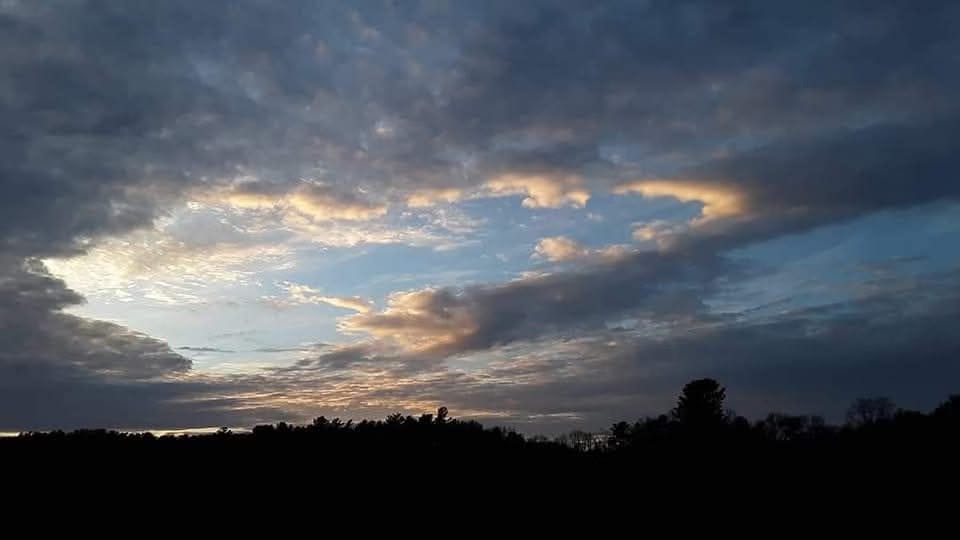
Like the rooster who thinks his crowing is the force that makes the sun rise, I am happily delusional this morning.
Science is getting off the mat, wobbling to its feet and showing some fight. Just this morning, the American Association for the Advancement of Science (AAAS) formally requested that rather than rubber stamp the confirmation of James O’Neill– the Trump administration’s pick to lead the National Science Foundation– the Senate should hold open hearings.
“These extraordinary times demand leadership that is up to the challenge of ensuring that we continue scientific excellence — and the jobs, prosperity, and well-being for the American people that will result. A confirmation hearing is essential if Congress is to determine whether Mr. O’Neill is up to the task.”
— AAAS CEO Sudip S. Parikh, Ph.D.
O’Neill is the former CEO of the Thiel Foundation, has no degree or background in science, and will preside over an organization that the Administration plans to turn into another slush fund for tech billionaires exactly like Peter Thiel. They’re requesting that NSF cut traditional science research and focus instead on investments in AI and quantum computing. And for good measure, they fired all 22 members of the National Science Board that guides the NSF. It’s likely that they are now looking for replacements, perhaps that guy who played The Professor on Gilligan’s Island. Call his agent! Is he alive? Who cares, he’s perfect!
Is it possible that my piece last week, With a Whimper, bemoaning the toothlessness of the science community (and frankly, AAAS, my alma mater) in the face of Administration attacks, helped inspire AAAS to make a stand? Did it hit the right nerve?
I say, yes, I did it. Also, you’re welcome.
“But Bob…”
Shh!
Because an hour ago, I was staring into my coffee, wondering where I was going to find the energy to finish today’s newsletter, and now I’m galvanized by the (admittedly unlikely) possibility that I have a voice that can coax a sluggish sun up over the horizon.
Shortcuts to Mastery
You all know about that “10,000 Hours to Mastery” rule, right? The idea that you have to put in 10,000 hours to become great at something, and there are no shortcuts? And maybe you said “hmm, kinda sounds like BS to me…”
Well, you were right! A new study in tomorrow’s issue of the journal Science, from scientists at the Janelia Research Campus of the Howard Hughes Medical Institute, tested mice on their ability to achieve mastery on a variety of cognitive tests. They found that they could accelerate learning by giving the mice bigger and bigger rewards for completing their learning tasks. Highly rewarded mice could learn in a small fraction of the time that mice given smaller rewards did. More about that study below, in Breaking News.
Thanks for your replies to my question about activities you once hated but now enjoy!
The Janelia Lab research got me thinking about “motivation plasticity,” a neuroscience term I just made up, whereby we can will ourselves to transform an aversive activity, like:
eating sardines, peppers or broccoli (thanks, Tai, Ken and Beth!),
repairing farm equipment (yes, awesome, Laura!)
spending time with a difficult person (thanks, Tina)
or even looking at our aging reflection in the mirror (good one, Diane!)
…and not only make the unpleasant activity tolerable, but quite enjoyable.
Once we’re convinced that something aversive is actually healthy, socially responsible, or positive in other ways, we can flip it into something we’re motivated to do, rather than avoid. Through the magic of will power, the experience that once triggered the stimulus-avoidance parts of our brain now activate the dopamine-producing pleasure centers. We’ve literally changed our mind. How cool is that?
In the Janelia study, it was an extrinsic reward, unrelated to the learning activity, that got the mice fired up to complete their learning exercises, despite being previously uninterested. For Tai, Ken, Beth, Laura, Tina and Diane, the rewards were intrinsic to the activity, but less tangible and immediate.
I find motivation fascinating. Why do we do anything? Why get out of bed? Why do this rather than that? What makes us dive into something with excitement and enthusiasm? What makes us quit? What does it mean to accept failure? Or never accept failure? How is it that some people are bored?
I’ve been meaning to visit Janelia for a few years and interview some of the researchers there. Now I’m motivated to act on it. Stay tuned.
May 21: Today, Yesterday

Today is the birthday of Andrei Sakharov, (died 1989) Russian physicist, human rights advocate and winner of the 1975 Nobel Peace Prize. The Soviet government regarded him as an enemy of the people and in 1980 he and his wife were exiled to the remote city of Gorky. If you’re not already familiar with him and with fellow Soviet dissident and 1970 Nobel Prize for Literature Aleksandr Solzhenitsyn, consider looking them up and reading Solzhenitsyn’s epic work The Gulag Archipelago– sadly relevant today.
Pupfish Still Hanging On
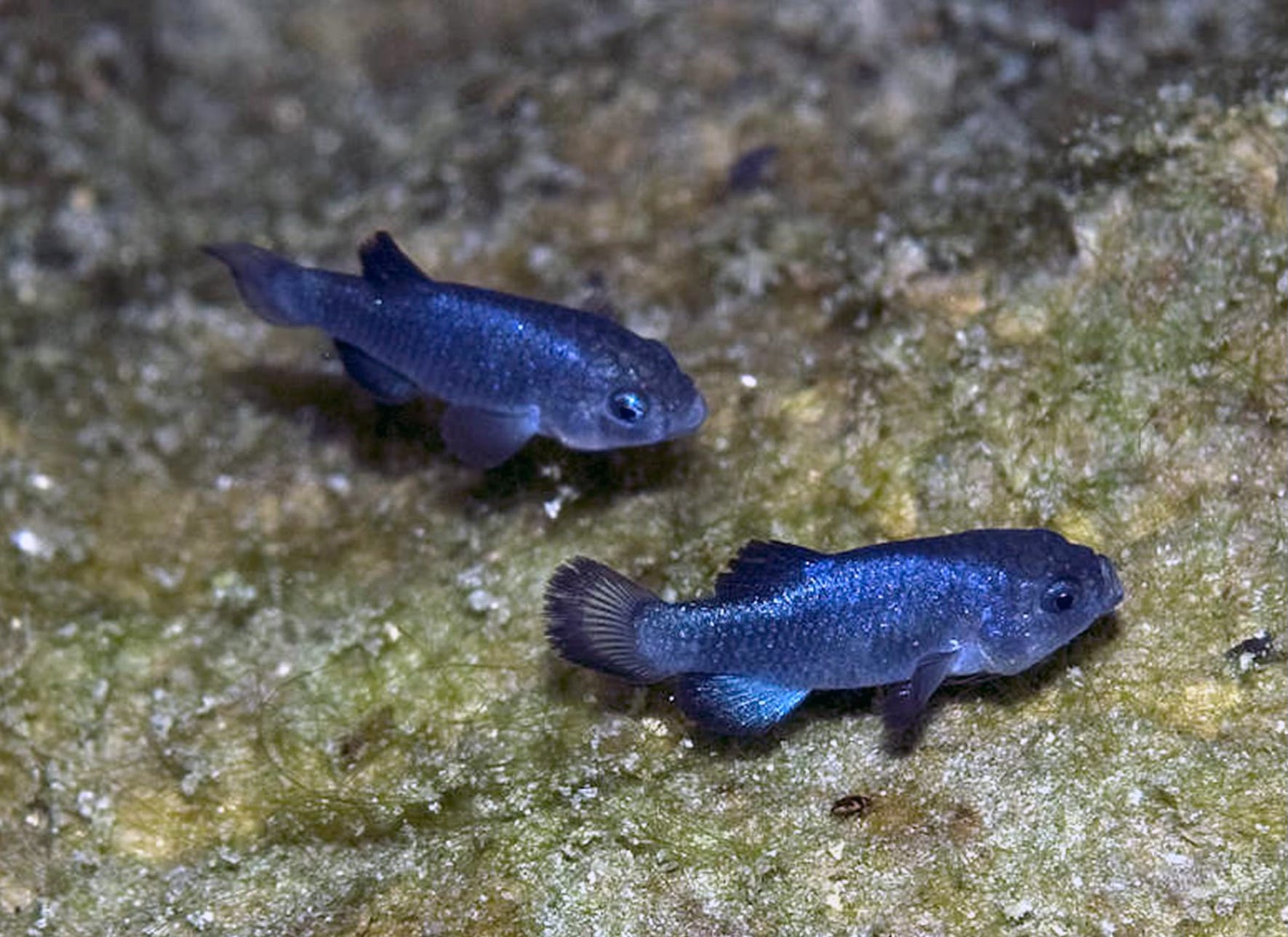
Today is Endangered Species Day, and what better day to give a shout-out to the world’s rarest fish, the Devil’s Hole pupfish. There are only between 100 and 200 of them, and they all live in a single hot spring, Devil’s Hole in Nevada. In 1966, Congress passed the Endangered Species Preservation Act, and the Devil’s Hole pupfish was the first species to be designated “endangered” under the new law.
Saturday is World Turtle Day
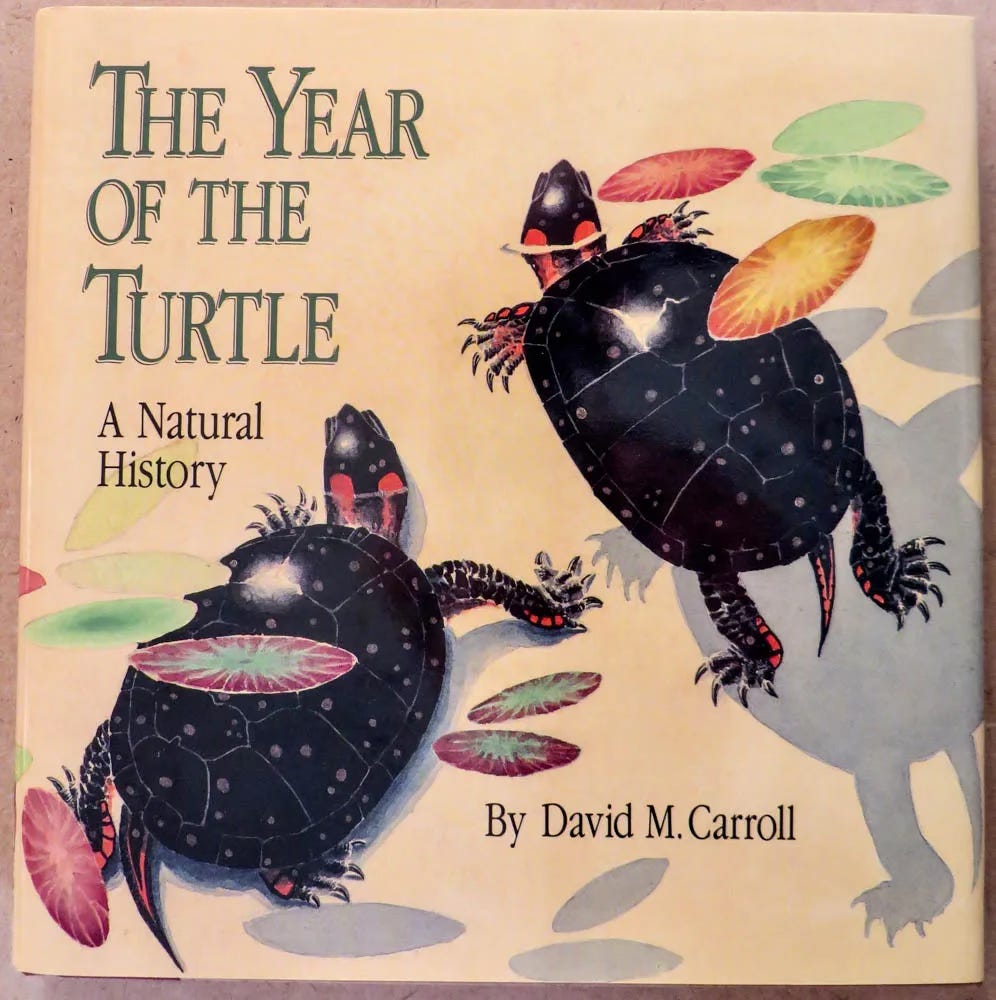
May 23 is World Turtle Day, so do yourself a favor and check out Macarthur Genius Award recipient David Carroll’s turtl-icious gallery in Warren, NH. Not only is David an acclaimed turtle expert and artist, but he was also the art teacher at my alma mater, Silver Lake Regional High School. His books, especially Year of the Turtle, Self-Portrait With Turtles, and Swamp Walker’s Journal are must reads for anyone who loves natural history (and, of course, turtles).
Breaking News: May 21, 2026, 2:00 PM
Wind Turbines and Health (Proceedings of the National Academy of Sciences)
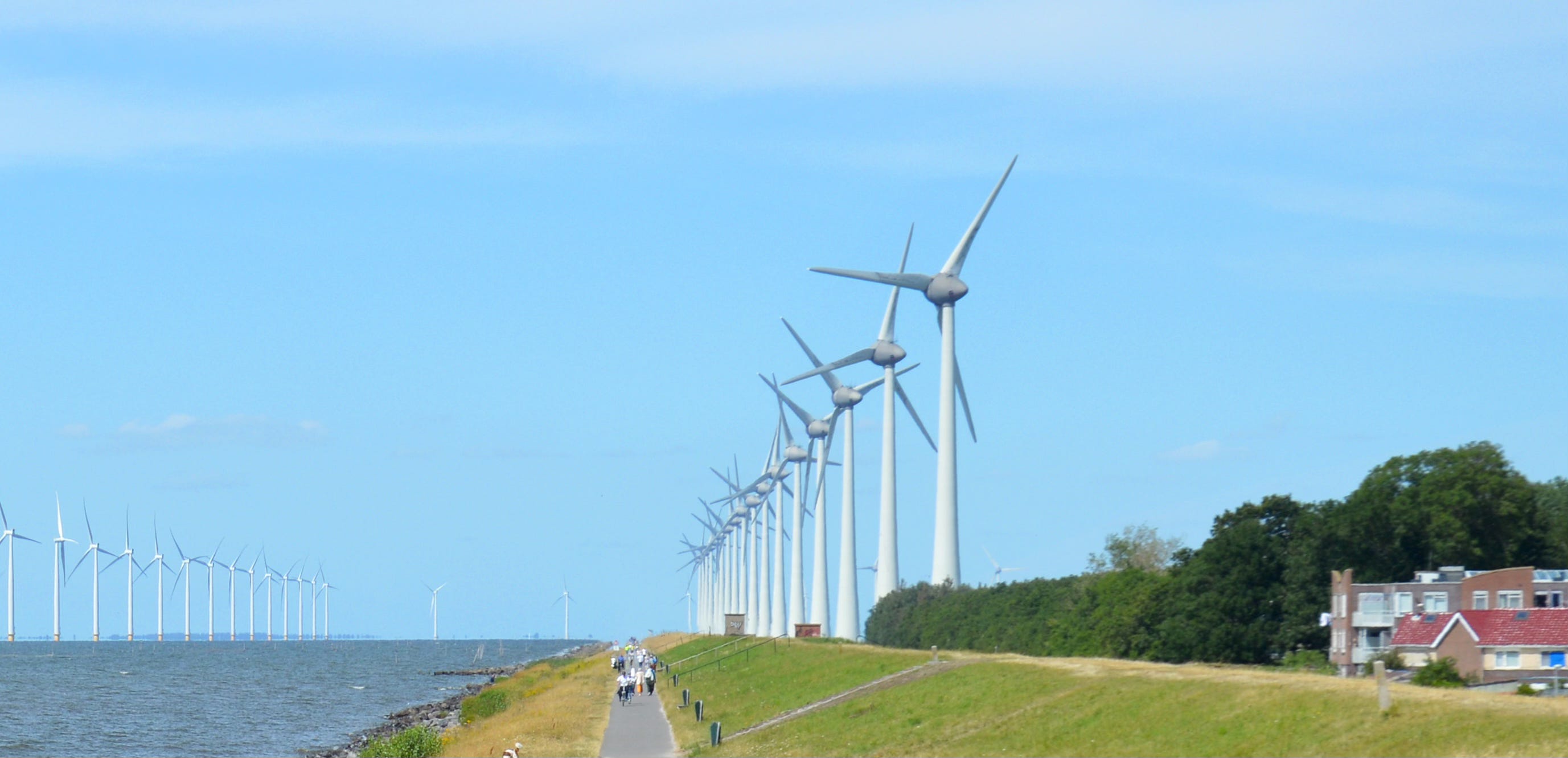
Living near wind turbines has no adverse health effects, according to research published this week in the Proceedings of the National Academy of Sciences. The researchers compared wind turbine location data and health records of 120,000 households and found no differences between households in close proximity to the turbines and those far away. They also looked at spending records, to see if households near wind turbines were making more health-related expenditures and likewise found no correlation.
“Comparing households before and after nearby turbine installations, we find no detectable adverse health effects from turbine exposure at typical exposure distances.”
— Nikolas Rott, et al, Wind turbine proximity and health: Longitudinal evidence from US households
Of course, the same cannot be said regarding households located near coal-fired power plants.
Battling the Scourge of Dog Halitosis (Journal of Agricultural and Food Chemistry)
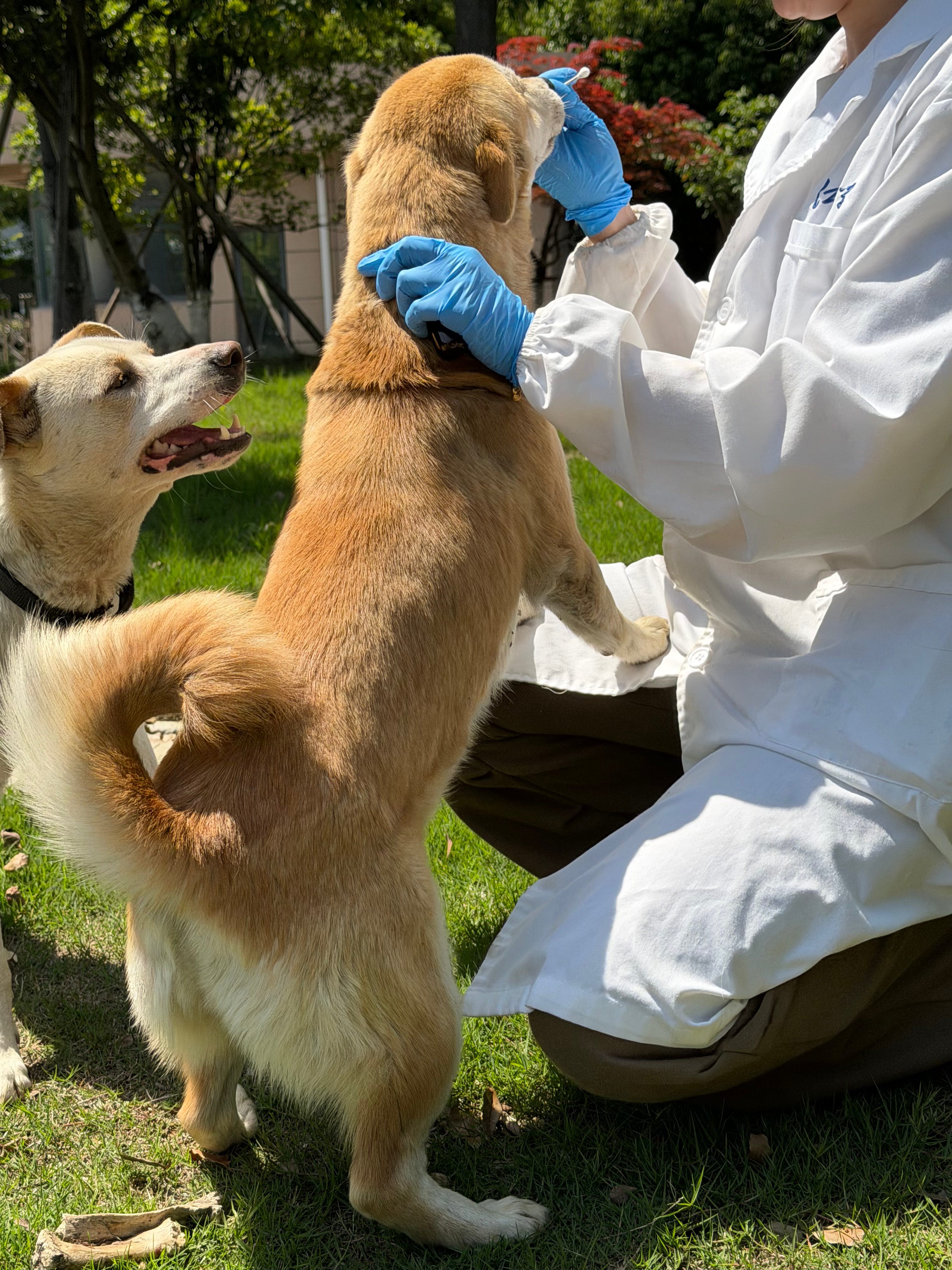
Since dogs happily sniff week-old opossum carcasses and one another’s butts, we can assume that they rarely find fault with their own breath. We owners, on the other hand, despite our comparatively pathetic sniffers, are practically incapacitated by a big whiff of our dog’s breath.
Fortunately, help is on the way, thanks to researchers at Jiangnag University in China writing in the Journal of Agricultural and Food Chemistry. They found that polyphenol compounds derived from sugar cane molasses killed oral bacteria in lab studies, and found ten dogs with smelly breath whose owners were ready to try anything.
The polyphenol spray quickly rendered the breath of even the most dragon-breathed dog sweet and fresh. Daily applications not only maintained the fresh breath, but also reduced populations of harmful oral bacteria that cause gingivitis and general inflammation.
“The concomitant reduction of periodontal pathogens and inflammation-associated taxa also suggests collateral benefits for oral health, consistent with accumulating evidence that polyphenols support a healthier oral microbiome.”
— Wei Zhao et al, in The Control of Canine Halitosis By Sugar Cane Polyphenols: Effects and Potential Mechanisms
Of course, you, like I, are/am now undoubtedly wondering “what about people breath? If this stops canine halitosis and also improves oral health and reduces inflammation, couldn’t dogs use it to improve the health of their owners?” I put this question to the corresponding author of the paper, Wei Zhao, at Jiangnag University in China, and hoped that he would respond in time for inclusion in this newsletter. But no word yet.
Floating Solar (Journal of Renewable and Sustainable Energy)

Even with modern, efficient photovoltaic cells, solar energy is space-consuming. In smaller, island countries, one solution is locating solar farms offshore, in large, floating arrays of panels. In the Journal of Renewable and Sustainable Energy, Taiwan-based researchers report not only that floating off shore solar farms are feasible, but also that they are more cost effective than land based projects. Photovoltaic panels lose efficiency if they get too hot; the floating panels stay cool and operate at peak efficiency.
“…the OFPV system produces approximately 2047.1 GWh over its lifetime, compared to 1827.8 GWh for the LPV system, representing an increase in about 12%.”
— Chen, et al, Using an Integrated approach for a comparative analysis of carbon footprints in onshore and offshore photovoltaic systems
Big Rewards= Big Learning (Science)
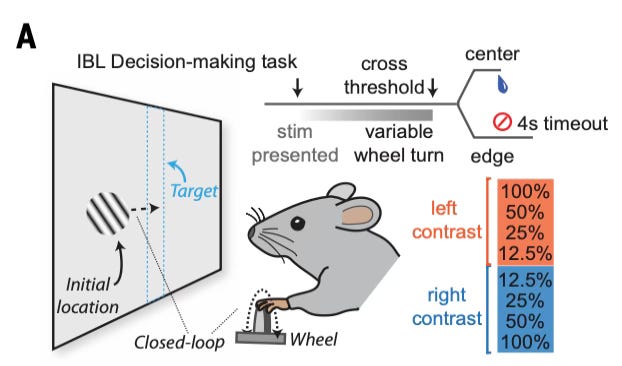
Much of what we know about learning comes from mouse studies in which mice navigate mazes and perform other tasks in exchange for a reward. For decades, it was assumed that the size of the reward wasn’t important as long as it was sufficient to motivate the mouse to complete the task and move on to the next one. That approach works, and over many hours with repeated rewards, mice do, indeed, gradually achieve mastery.
What no one asked was whether bigger rewards would work better and faster. In new research published in the journal Science, scientists at the Janelia Research Campus of the Howard Hughes Medical Institute compared the “just enough reward” mice with mice that got humongous rewards each time they were successful. Like Megabuck lottery wins. For instance, thirsty mice in group 1 got little sips of water; thirsty mice in group 2 got big gulps of water. Mice who received big rewards were more enthusiastic and focused in their learning tasks and learned their challenges many times faster than mice who got “just enough” to get them to continue.
“As neuroscientists, we resign ourselves to knowing that we’re going to have to train this animal for a few weeks and eventually, they’re going to start to look like they know what’s up,” Luke Coddington, a senior scientist in the Dudman Lab who led the new study, says. “But instead, now in a day, I’m watching these mice just nail it.”
— from HHMI “The Bigger the Reward, The Faster We Learn”
Not only did the big rewards increase motivation, but they supercharged memory centers. So the mice were not only super motivated to expend energy learning, but they were also more able to retain what they learned.
While the Janelia study was limited to mice, they do mention human considerations, especially regarding ADHD, a condition that makes it difficult to stay engaged with tasks. Low engagement mice were especially responsive to the large reward paradigm, and learned as quickly as the more easily engaged mice. The researchers suggest that the large rewards triggered large surges of dopamine, just like ADHD medications do. So the findings may not only speed up animal-based research into learning, but may help optimize human learning as well.
TLDR!!
Did you really make it all the way down here? Do you feel smarter, wiser, healthier and better-looking than you were just a few minutes ago?
If so, consider subscribing and/or sharing this with your friends. I’m considering breaking this up into smaller, more readable bits to make it palatable to readers who, unlike you, have little time and/or short attention spans. Maybe break it into three shorter newsletters? Or lots of short newslets? I’m open to suggestions.
Thanks for reading!
....and the word of the day is
"CONCOMITANT"